


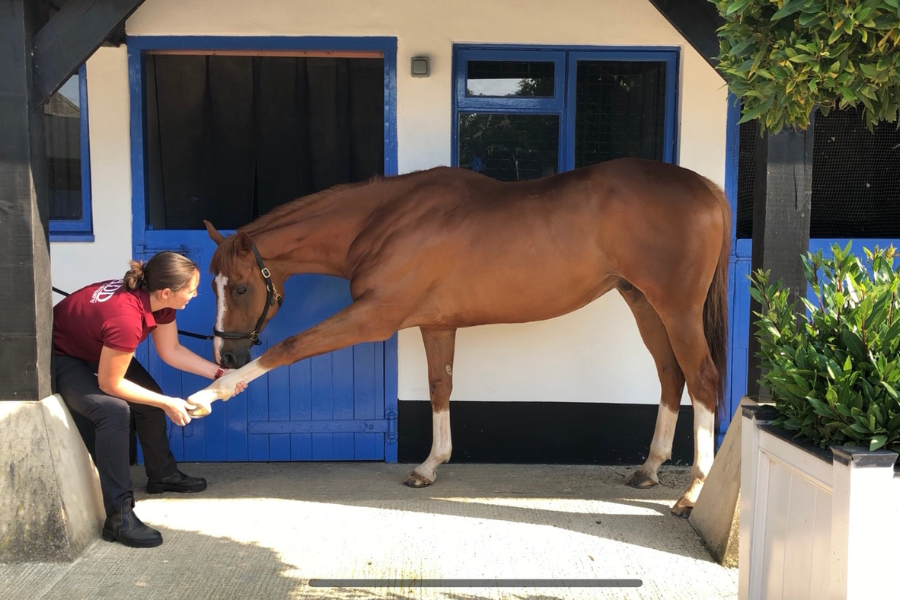
The field of equine osteopathy offers a rewarding career for those passionate about horses and dedicated to their health and well-being. As an equine osteopath, you’ll use your knowledge and skills to diagnose and treat musculoskeletal issues in horses, helping them achieve optimal performance and comfort. If you’re interested in pursuing this career in the UK, here’s a comprehensive guide to get you started on the path to becoming an equine osteopath.
Understanding Equine Osteopathy
Equine osteopathy is a specialized branch of osteopathy that focuses on the holistic treatment of horses. It involves manual therapy techniques to improve the horse’s musculoskeletal health, addressing issues such as joint stiffness, muscle tension, and movement restrictions. The goal is to enhance the horse’s overall function, performance, and well-being.
Steps to Becoming an Equine Osteopath in the UK
Educational Background
Pre-requisites:
- GCSEs and A-Levels: Start by obtaining good GCSEs, especially in science subjects such as biology and chemistry. Follow this with A-Levels, focusing on biology, chemistry, and potentially physical education or sports science.
- Undergraduate Degree: to become an equine osteopath, you MUST be a human osteopath FIRST: Enroll in a degree program accredited by the General Osteopathic Council (GOsC). Most programs are integrated master’s degrees, which combine undergraduate and postgraduate studies, typically lasting four to five years. Institutions such as the British School of Osteopathy, the European School of Osteopathy, and others offer these programs. Course Content: The curriculum includes extensive studies in anatomy, physiology, pathology, osteopathic techniques, clinical skills, and patient management. Expect a mix of theoretical learning and practical, hands-on experience.
Professional Training
Diploma in Equine Osteopathy: Enroll in a recognized program that offers a diploma in equine osteopathy. Some reputable institutions in the UK include the European School of Osteopathy (ESO) and the Osteopathic Centre for Animals (OCA).
Course Content: These courses typically cover equine anatomy and physiology, biomechanics, pathology, osteopathic techniques, and practical clinical skills. Expect a combination of classroom learning and hands-on clinical experience.
Duration and Commitment: Diploma courses can vary in length but generally take around 2-3 years to complete. They often require a significant commitment of time and effort, including practical placements and case studies.
Gaining Practical Experience
Clinical Placements:
- Hands-On Training: Practical experience is crucial in becoming a competent equine osteopath. Many courses include clinical placements where you can work under the supervision of experienced practitioners.
- Real-World Experience: These placements allow you to apply your theoretical knowledge in real-world settings, working with a variety of horses and learning to diagnose and treat different conditions.
- Internships and Apprenticeships: Consider seeking internships or apprenticeships with established equine osteopaths to further enhance your skills and experience. This can provide valuable insights into the day-to-day work and business aspects of the profession.
Certification and Registration
Professional Bodies:
- Register with Professional Bodies: In the UK, equine osteopaths can register with professional bodies such as the Register of Animal Musculoskeletal Practitioners (RAMP) or the Association of Animal Osteopaths (AAO). These organizations set standards for practice and provide professional development opportunities.
- Continuing Professional Development (CPD): Stay updated with the latest advancements in equine osteopathy by participating in continuing professional development courses, workshops, and conferences. This is often required to maintain professional registration and ensure the highest standards of care.
Building Your Practice
Setting Up Business:
- Business Skills: Running a successful equine osteopathy practice requires business acumen. Learn about business management, marketing, and client relations.
- Networking: Build a network of veterinary professionals, farriers, trainers, and horse owners to establish a referral base and grow your client list.
- Ethical Practice: Adhere to ethical guidelines and maintain high standards of care and professionalism in all your dealings.
Becoming an equine osteopath in the UK is a fulfilling career path that combines a passion for horses with the science of osteopathy. By following these steps—obtaining the necessary educational background, completing professional training, gaining practical experience, and achieving certification—you can embark on a rewarding journey to improve the health and well-being of horses. As you build your practice, remember that continuous learning and professional development are key to providing the best possible care for your equine patients.
For more information on our services or to discuss how we can support your journey in equine osteopathy, feel free to contact us. We are here to help you every step of the way.